
Legislative Action
Together, we can stand up for consumer rights and safe, proper repairs.
If you’d like to support these legal efforts on behalf of collision repair shops and the communities they serve, please consider donating to the fund below.

Meet Our Lobbyst, Catie Lane Bailey

Catie Lane Bailey is a Principal at the Vogel Group.
Catie Lane Bailey is a leading government affairs attorney and lobbyist in Tennessee, representing corporate and association clients before the Tennessee General Assembly, executive branch agencies, and local governments. She advises clients on legislative strategy, regulatory engagement, and political positioning, with a focus on delivering results in complex, high-stakes policy environments. At Vogel Group, she helps lead the firm’s Tennessee practice alongside Brandon Smith.
Catie Lane brings deep, end-to-end knowledge of the legislative process and is known for her ability to move initiatives from initial concept through enactment. She has built strong, trusted relationships across legislative leadership and the executive branch, and is widely recognized for her credibility, responsiveness, and effectiveness in advancing client priorities.
She has played a central role in representing a large portfolio of clients before the Tennessee General Assembly and state agencies, advising on a broad range of policy matters and managing sophisticated, multi-issue advocacy efforts. Her work includes securing state and local appropriations to support business expansion and relocation, navigating government procurement processes, and shaping regulatory frameworks impacting key industries.
Prior to joining Vogel Group, Catie Lane led and developed the Tennessee state government affairs practice at an AM Law 100 law firm. She began her public policy career as a congressional intern for then-Tennessee Senator Lamar Alexander while pursuing her undergraduate degree.
Catie Lane is also a Partner at Holtzman Vogel Baran Josefiak & Torchinsky PLLC.
Catie Lane earned her B.A. in Political Science and Communication Studies from Western Kentucky University, summa cum laude, and her J.D. from the Nashville School of Law.
News Articles
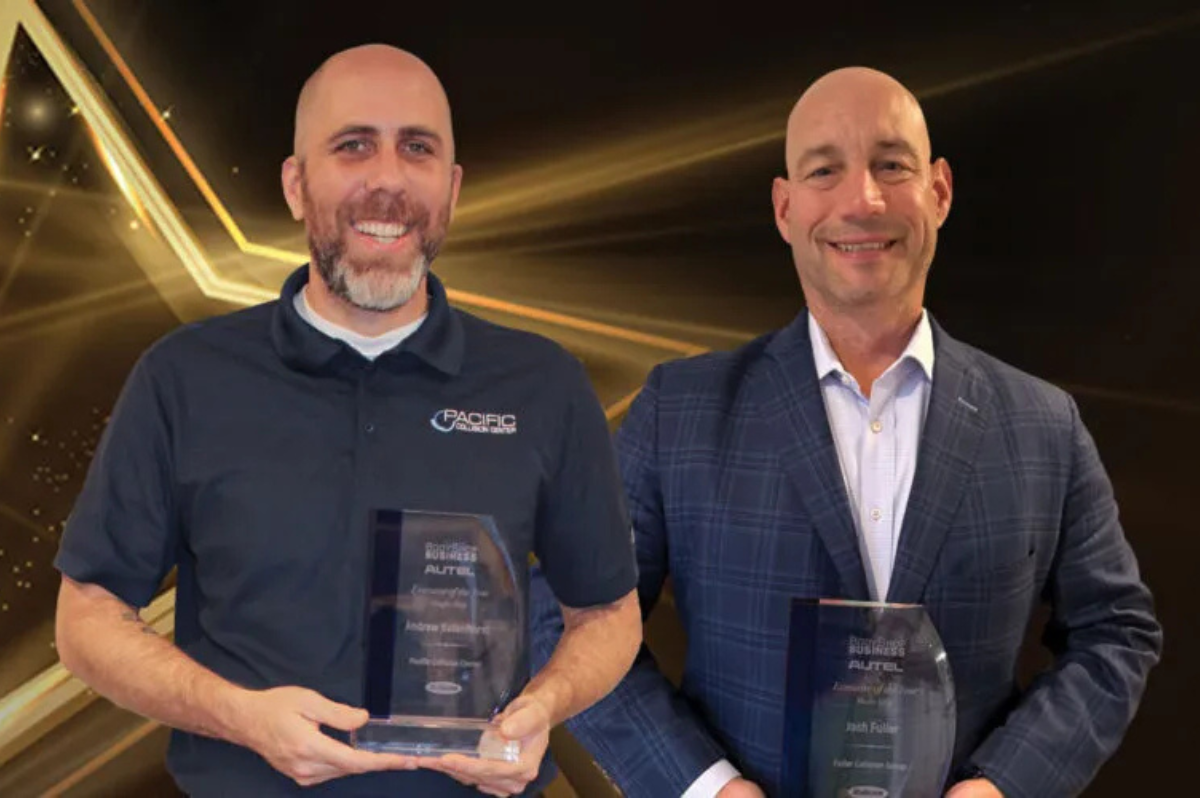
2025 Body Shop Business Executives of the Year
December 29, 2025
The Year In Quotes: Some Of What Was Said Around The Collision Repair Industry In 2025
December 30, 2025

As vehicle market shifts, some dealerships are retailing salvaged titles
February 10, 2026
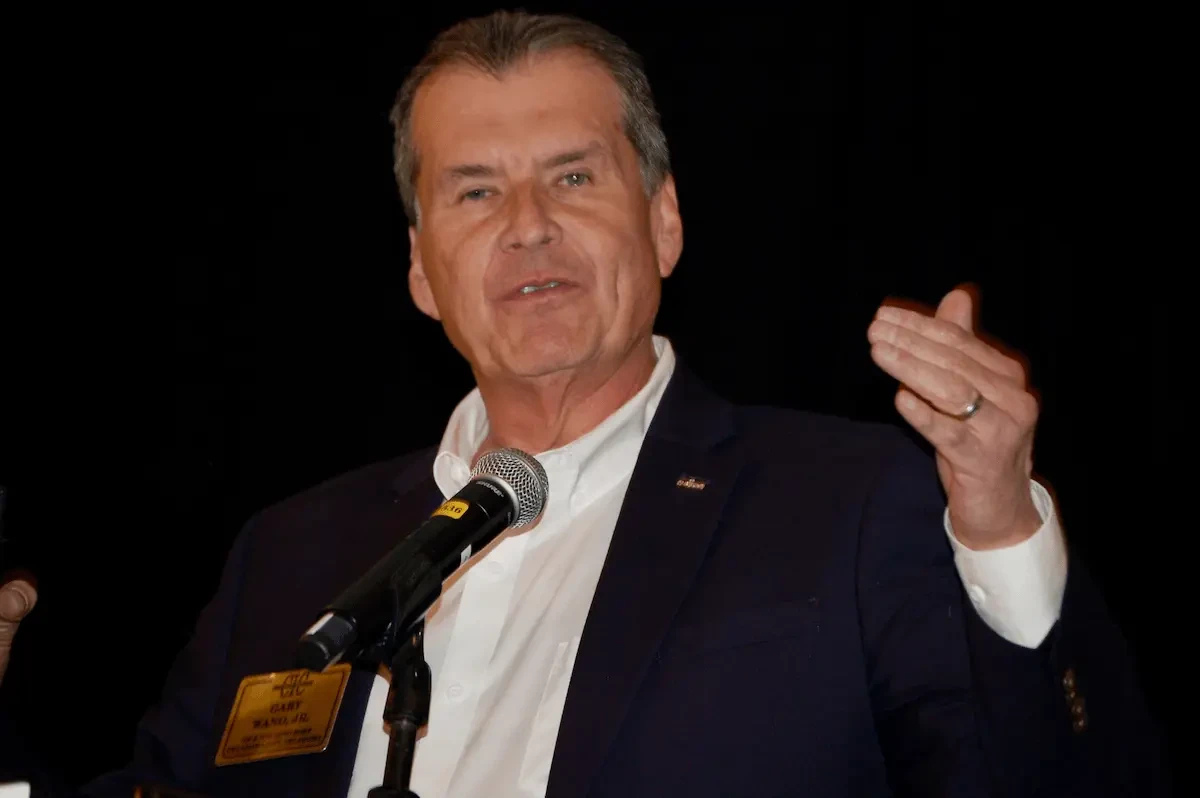
Oklahoma Court Rejects Bid to Dismiss Shops’ Storage Fee Lawsuit
June 30, 2026

The Washington State Legislature has passed a nonprofit exemption from the state’s retail sales tax on live presentations. The exemption is included in SB 6346 and goes into effect July 1, 2026.
Thank you to ASAE members who contacted Washington state legislators to highlight the importance of association events. Your voices made a difference.
What Happened
Last October, Washington State expanded its retail sales tax to cover most live presentations, including conferences, lectures, workshops, and courses delivered in person or virtually.
ASAE raised significant concerns about this policy and sent a letter to Washington State legislative leaders urging them to pass the nonprofit exemption. ASAE also encouraged members to send their own letters.
The nonprofit exemption was included in the final version of SB 6346 that passed both chambers of the Washington State Legislature and was signed by Washington Governor Bob Ferguson on March 30, 2026. The nonprofit exemption takes effect on July 1, 2026.
Contracts entered into prior to October 1, 2025 are exempt from the new retail sales tax through June 30, 2026.
The broader legislation may be subject to potential lawsuits or challenges that could influence implementation of SB 6346. However, there is language in the law that would protect the retail sales tax exemption for live presentations given by nonprofit organizations from being impacted by such lawsuits. We will continue to monitor these developments.
Visit Seattle has shared the latest information on changes to the live presentations tax here.
Why This Matters
As nonprofit organizations, associations reinvest any revenues raised from live events directly back into their missions. A sales tax on live presentations diverts revenue away from the education, workforce development, and community service activities associations lead on.
Associations rely on live presentations and events to deliver professional development, continuing education, and peer-to-peer knowledge exchange that members cannot get elsewhere.
The nonprofit exemption ensures that associations can continue to invest in their members and the communities they serve without the added burden of a sales tax on their core educational activities.
For questions, contact Kyle Hayes, Senior Director of Public Policy, at khayes@asaecenter.org.
Thank you,
Mary Kate Cunningham, CAE
Chief Public Policy and Governance Officer